Photovoice is an empowering intervention and aimed at community participation. It was developed in the mid-1990s in a project where cameras were given to Chinese woman in rural communities and they were asked to photograph every day health and work routines. Each woman did this on an individual basis and the resulting images were shared with all the participants with a view to identify common themes around accessing health services. The women quickly realised that they faced common issues and that they were not alone. The images were put on display and policy makers invited to view the images. The participants were then able to engage with policymakers and explain collectively the challenges they faced.

Since then, photovoice has been used with a large number of minority communities to give the oppressed individuals “a voice”. This approach is largely underpinned by theory from Freire, and perspectives from feminist approaches, as well as empowerment approaches.
The process of photovoice is simple. Individuals take a series of images over a specified timescale, then come together as a group to explore images. Once common themes are identified the group decide how to move these issues forward. The process of questioning the image is guided by the SHOWeD principle:
- What do you See in the photograph?
- What is really Happening here?
- How does this relate to Our lives?
- Why do these issues exist?
- What can we Do to address these issues?
Photography is a very accessible form of communication and requires very little training. Photographs tend to be an accurate representation of the world and if clients are taking photographs as a form of communication this changes the power dynamic within therapeutic relationships. More importantly, research has also identified that using photographs within interventions is fun! Because of this engagement tends to be better, which ultimately leads to enhanced self-efficacy.
Examples from practice:
Legal Highs:
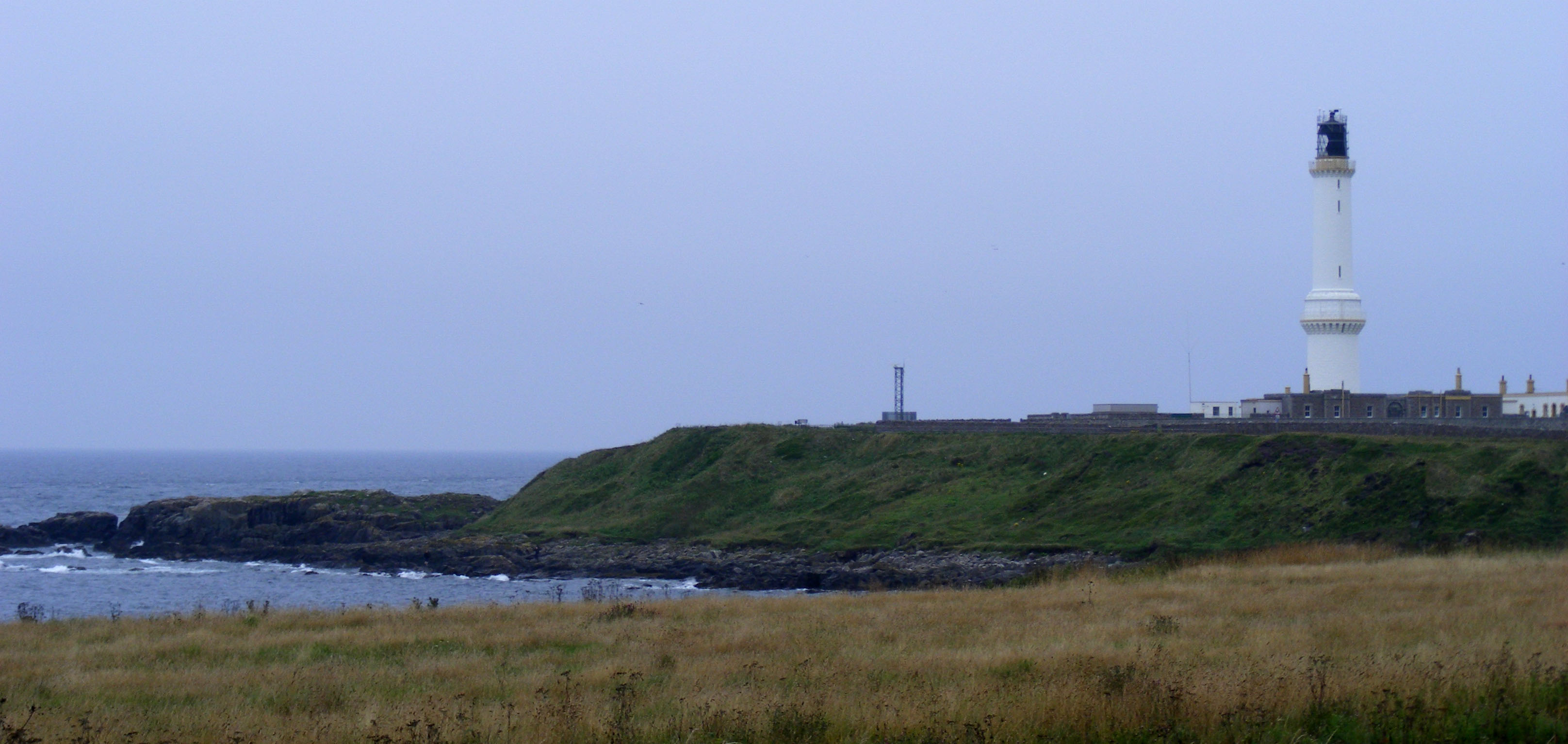

These two images were used to illustrate what the participant liked and disliked about Aberdeen. She liked the wide open space, the proximity to the sea, and the sense of community. She did not like the rise of the “legal highs” business in the city centre, nor finding used packets of substances outside her accommodation.
Family:
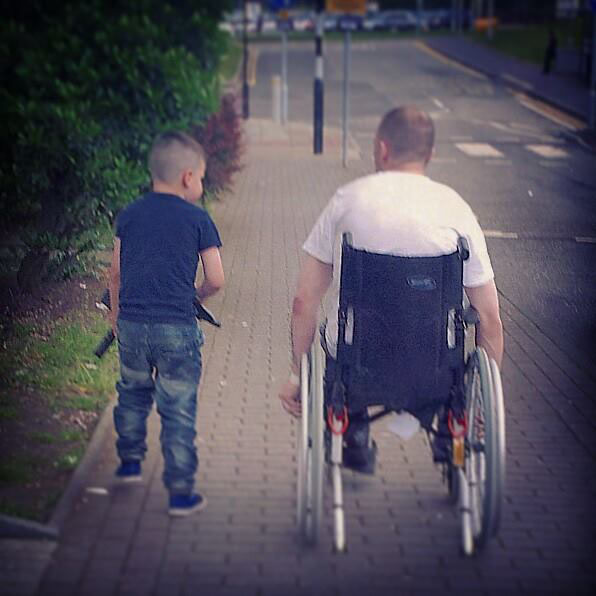
The best thing about Aberdeen for this participant was her family, feeling a sense of belonging, and being part of the community.
 Therapeutic Photography